

Where Did ‘Cowabunga!’ Come From? The Truth Behind the Famous Phrase





What To Know
- The phrase “cowabunga” originated on the 1950s children’s TV show Howdy Doody, popularized by the character Chief Thunderthud.
- Despite the era’s common practice of casting non-Indigenous actors in Indigenous roles, Jay Silverheels, a Mohawk actor, broke barriers.
- Silverheels left a legacy as both an actor and activist.
I’ve always been fascinated by the word “cowabunga”. Its origin goes all the way back to the 1950s and a very famous children’s television show, Howdy Doody, which ran on the NBC Television Network from 1947 to 1960. Along with Buffalo Bob Smith and Clarabell the Clown, there was Chief Thunderthud, whose favorite remark was a very boisterous “Cowabunga!”
The writer of the show who was attributed with originating the word was head writer Edward Kean. The chief and his daughter, Princess Summerfall Winterspring, were very popular characters on Howdy Doody, but notably, neither of the characters was played by Indigenous actors. This was very typical for the era, and it’s easy to excuse the casting of Bill LeCornec and Judy Tyler by saying that’s just what they did back then, but that certainly wasn’t always the case.
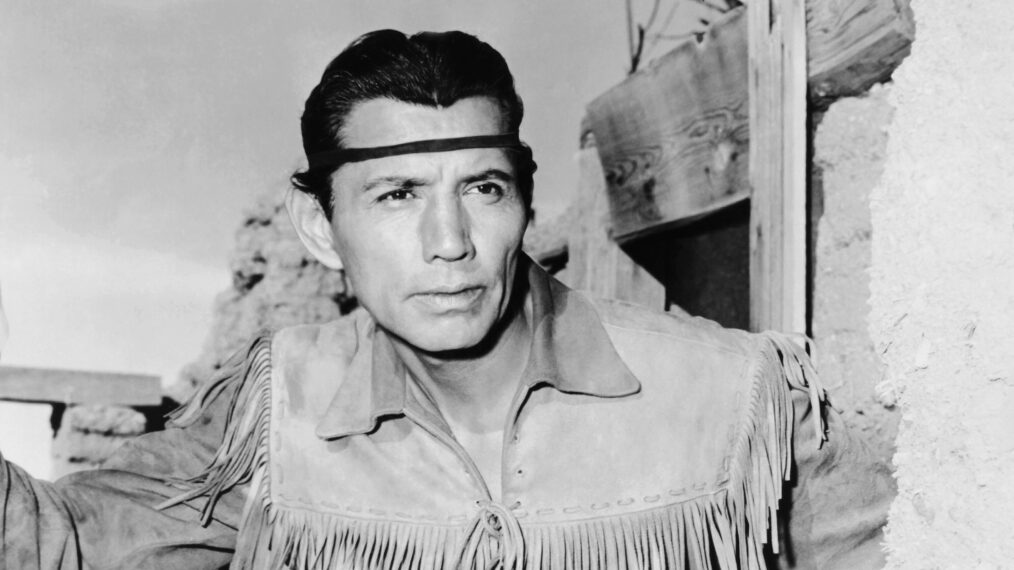
Take Jay Silverheels, for example, who found a great deal of success playing the Lone Ranger’s sidekick, Tonto, on both the big and small screen. Jay was so successful, in fact, that he was the first indigenous actor to be honored with a star on the Hollywood Walk of Fame.
Jay was also influential. According to Historian Jeff Z. Klein in an article written for Buffalo Toronto Public Media in 2016, Jay was a strong advocate for Indigenous people in film and television. Throughout his career, he played a vital part in stopping Hollywood’s habit of casting whites, rather than native actors, as Indians.
Born as Harold J. Smith in Canada, Silverheels was the grandson of Mohawk Chief A.G. Smith and the son of a decorated World War I veteran. Jay excelled in athletics, with lacrosse being his favorite. He was one of the first players chosen to play for the Toronto Tecumsehs when a professional indoor lacrosse league was established by the owners of a number of NHL franchises during the 1930s. Jay was so good at lacrosse that he was inducted into the Canadian Lacrosse Hall of Fame in 1997.
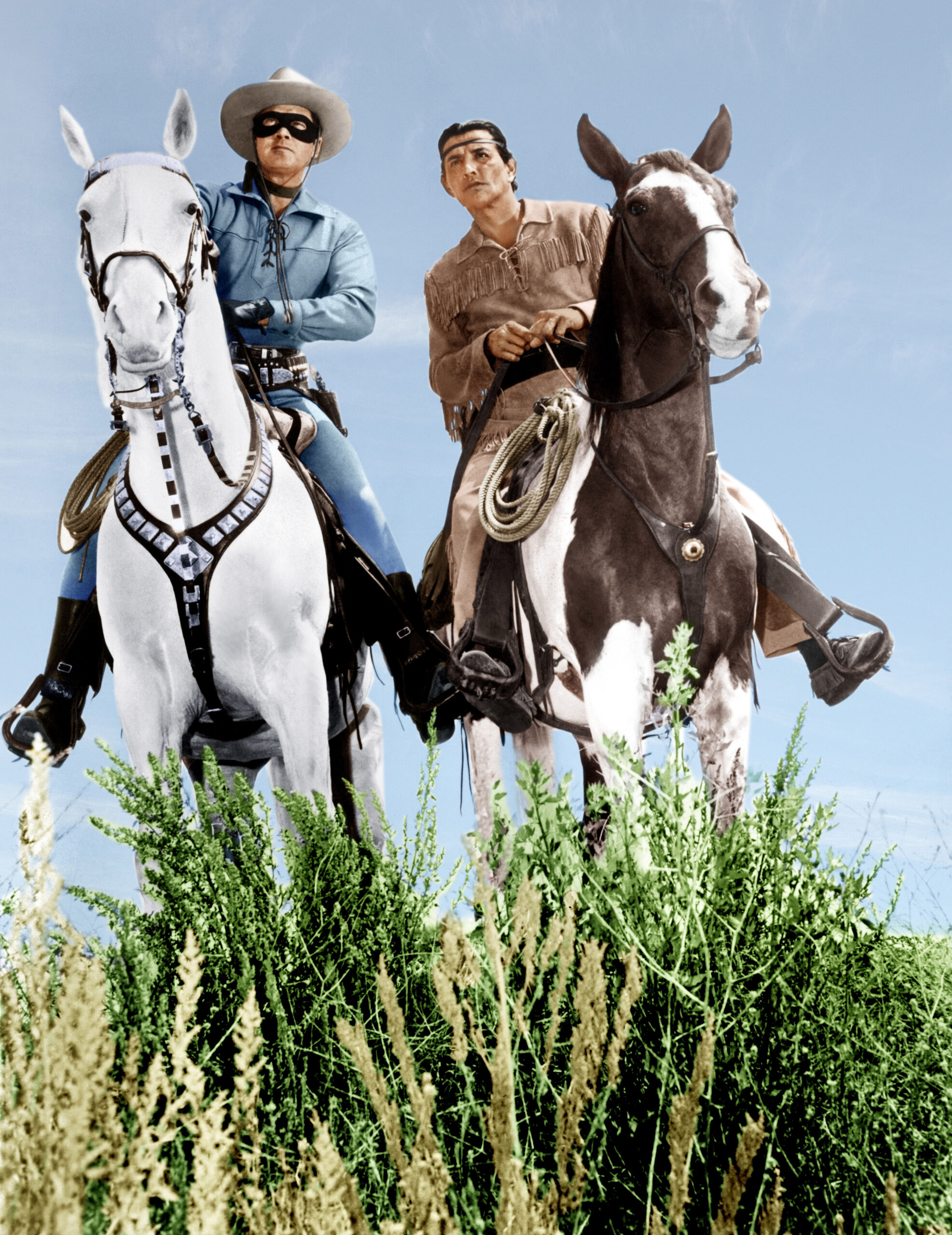
Everett Collection
While touring with a lacrosse team in Los Angeles in 1937, Jay was encouraged to do a screen test, and the rest…well, it’s entertainment history. Although he is best known as Tonto, Jay appeared in almost 100 films and more than a dozen different television shows throughout his career.
Sadly, Jay never fully recovered from a stroke that he suffered in 1974, and over the following few years, he would find himself hospitalized repeatedly with one thing or another. Then, on March 5th, 1980, Jay rode off into the sunset for the very last time. He was just 62 years old at the time of his passing.
Upon learning about Jay’s death, his longtime friend, the Lone Ranger himself, Clayton Moore said this, “I am deeply saddened. He was a great man, a perfect gentleman, and a true fighter for the Indian cause. I’m going to miss him very much.”
In 1990, Clayton accepted, on behalf of Jay, the prestigious Golden Boot award for his contributions to Western films and television. Those brief remarks were captured on tape and are available to watch on YouTube.
Throughout his career, Jay took pride in his portrayal of Tonto, and thankfully, the writers of The Lone Ranger never wrote “cowabunga” or other similar made-up words into any of Jay’s lines. Now, of course, he was famous for the word “kemosabe,” an Ojibwe and Potawatomi word that means “he looks out in secret.” On The Lone Ranger, it was more loosely translated to mean “faithful friend” something that Jay Silverheels was throughout his entire life.
Cowboy Christmas
November/December 2024
Saddle up for some Holiday Cowboy fun with movies, music and your fav Christmas episodes of classic Westerns.
Buy This Issue