

Why Clark Gable Almost Quit ‘Gone With The Wind’ Over This Iconic Scene





What To Know
- Clark Gable was initially reluctant to play Rhett Butler due to the immense expectations of fans and his own doubts about meeting them.
- Gable nearly quit the film over a scene requiring him to cry, believing it was unmanly.
- He also threatened to leave the production over the segregation, demanding equal treatment before continuing with the film.
In 1939, Gone With the Wind blew into theaters and created a worldwide phenomenon that reshaped movie history. Its sweeping Technicolor visuals, epic Civil War setting, and ambitious, almost four-hour runtime redefined what a “spectacle” movie could be. It influenced decades of filmmakers, made superstars of its cast, and embedded its quotes into global pop culture. Eventually, it became the highest-grossing film of all time (adjusted for inflation, it still holds that title), setting a new standard for blockbuster success.
Though many of its themes have sparked heated debate, especially its romanticization of the Antebellum South and its troubling portrayal of slavery, its importance as a landmark in film history remains significant.
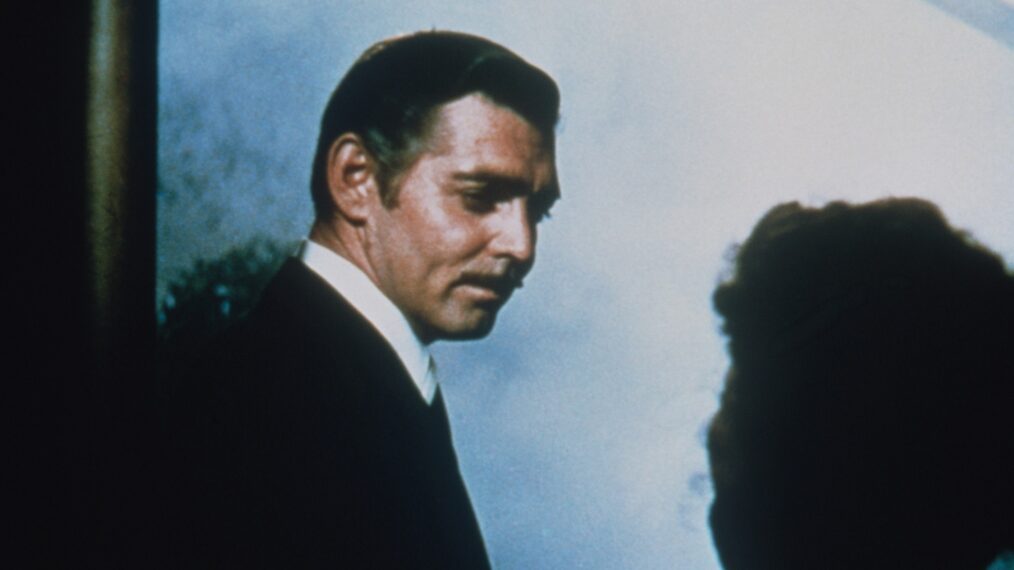
However, there was one key scene that almost caused its star Clark Gable to walk off the set.

Even before the film had a director or a shooting script, fans of Margaret Mitchell’s novel overwhelmingly insisted that only Gable could play Rhett Butler. Producer David O. Selznick knew casting Gable would help sell the movie. But Gable was initially reluctant to step into Butler’s shoes.
In 1957, Gable explained to The Saturday Evening Post why he was resistant: “My thinking about it was this, that novel was one of the all-time best sellers. People didn’t just read it, they lived it…They had a preconceived idea of the kind of Rhett Butler they were going to see, and suppose I came up empty?…All of them have already played Rhett in their minds. … If they saw one little thing I did that didn’t agree with their remembrance of the book, they’d howl.”
Gable joined Gone With the Wind only after MGM loaned him out in a landmark studio deal with a hefty payday for the star, though he was still fairly reluctant to do the role. And there was one scene he particularly did not like, so much so, he almost left the production.
Costar Olivia de Havilland spoke Gable’s reaction when faced with a scene in which his character openly weeps in the scene after Scarlett (Vivien Leigh) has a miscarriage.

Everett Collection
“He didn’t want to. He thought it was unmanly, you see. That was the training of men in those days, and it’s such a pity that they had to suppress those feelings,” said de Havilland in an interview with AP. “Oh, he would not do it. He would not! Victor tried everything with him. He tried to attack him on a professional level. We had done it without him weeping several times, and then we had one last try. I said, ‘You can do it, I know you can do it, and you will be wonderful…’ Well, by heaven, just before the cameras rolled, you could see the tears come up at his eyes, and he played the scene unforgettably well. He put his whole heart into it.”
The scene wasn’t the only behind-the-scenes conflict for Gable. A fierce opponent of segregation, he was outraged to find his Black co-stars being treated as second-class citizens on set, not allowed to use the same facilities as the white actors. He responded with a blunt ultimatum: fix it, or he would walk.
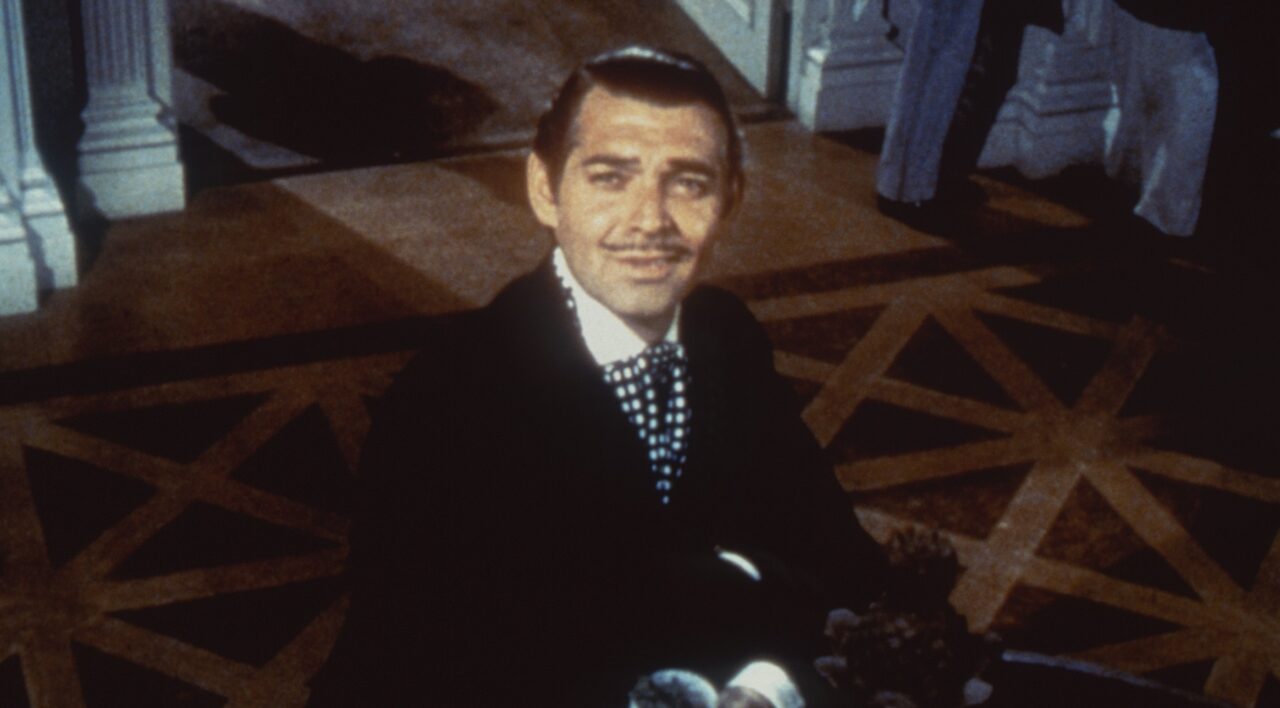
“He got on the phone, one of those portable phones they rolled up to him,” recalled extra Lennie Bluett. “And called Victor Fleming, the director… And he called the property master. And I don’t know who else he called, but he cussed like a sailor, and he said, ‘If you don’t get those [God damn] signs down, you don’t have a Rhett Butler in this film.’”
He stayed in the picture, and as a result, Rhett Butler elevated Gable from Hollywood leading man to enduring screen icon, cementing his image, legacy, and place in film history.
 Remind