

Which Classic Song Was Once Banned By the BBC for Being Too ‘Morbid’?




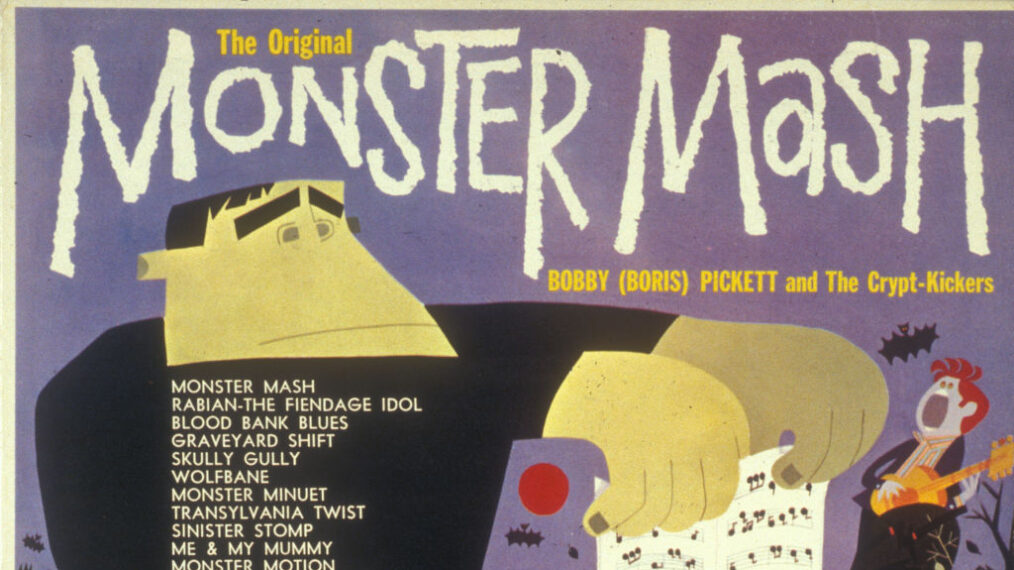
It’s Halloween season, and that means the time for us to have a graveyard smash with Bobby “Boris” Pickett and the Crypt-Kickers’ creepy hit, the “Monster Mash.” But apparently, someone at the BBC was more of a fan of the Transylvania Twist, because the British radio broadcaster banned the song in 1962.
This is not entirely unusual: the uptight BBC had a penchant for banning tracks. They forbade playing anti-war songs during times of conflict. The Who‘s “My Generation” was banned because it was deemed too offensive to those with a stutter, and broadcaster BBC Radio nixed The Moontrekkers‘ instrumental “Night of the Vampire” in 1961, because it was “unsuitable for those of a nervous disposition,” according to The Guardian.
Apparently, that anti-Halloween bias remained when the “Monster Mash” came stompin’ around in ’62. The song came about after Pickett, an aspiring actor, did a Boris Karloff impression while performing a cover of The Diamonds‘ “Little Darlin'” with his band. One thing led to another, and the band recorded a novelty song that poked fun at the whole “dance craze” fad of the time.
And Far Out magazine noted that soon after the “Monster Mash” rose from its grave, the BBC thought it was “too Morbid.”
Pickett wrote about the banning in his 2005 autobiography, Monster Mash—Half Dead In Hollywood. “‘Monster Mash’ had risen to No. 1 on Billboard, Cashbox, and Record World charts. On October 12, 1962, the record was banned by the BBC for being ‘offensive,’ though I didn’t hear about this until 1989, twenty-seven years later.”
“I remember wondering at the time why we weren’t doing well in England, but I never got a straight answer,” wrote Pickett. The “Monster Mash” was a Billboard smash, going to No. 1 before Halloween in ’62. Pickett got the last laugh when the song was re-released in 1973.
“I mused that whoever had banned the record was certainly no longer around, since in its second release, it had risen to Number 2 in the UK,” he wrote.”
As to why it was first banned in ’62? Pickett mused that “evidently, because one William Henry Pratt [Karloff’s real name] was the son of an English diplomat and a native-born Brit, someone felt it was undignified for Boris Karloff to be making fun of monsters or dead folk.”
“I guess my crude satire was beneath the dignity of any self-respecting Englishman,” added Pickett. “Go figure.”