Before ‘First Steps,’ Roger Corman Made a Fantastic Four Film … That No One Has Ever Seen





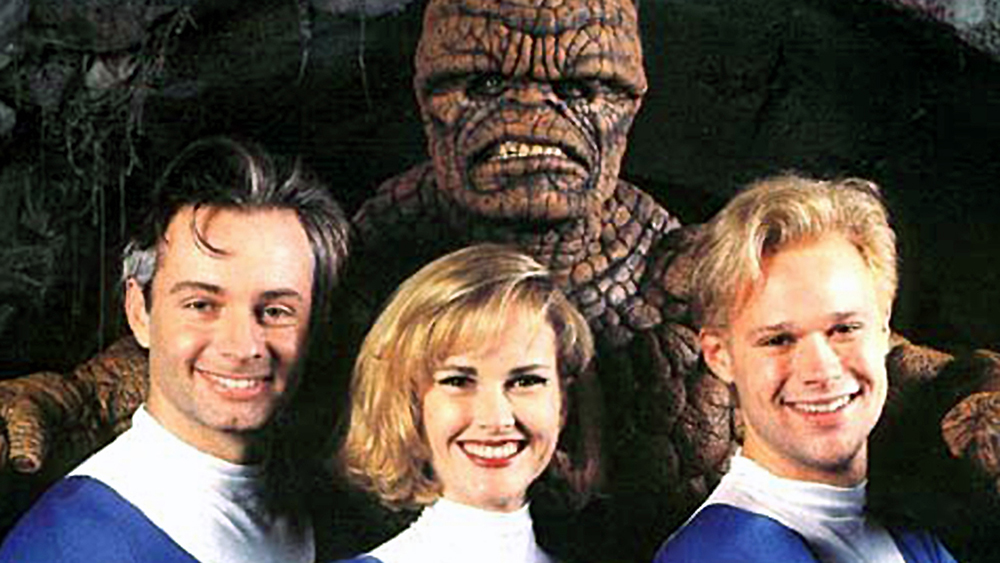
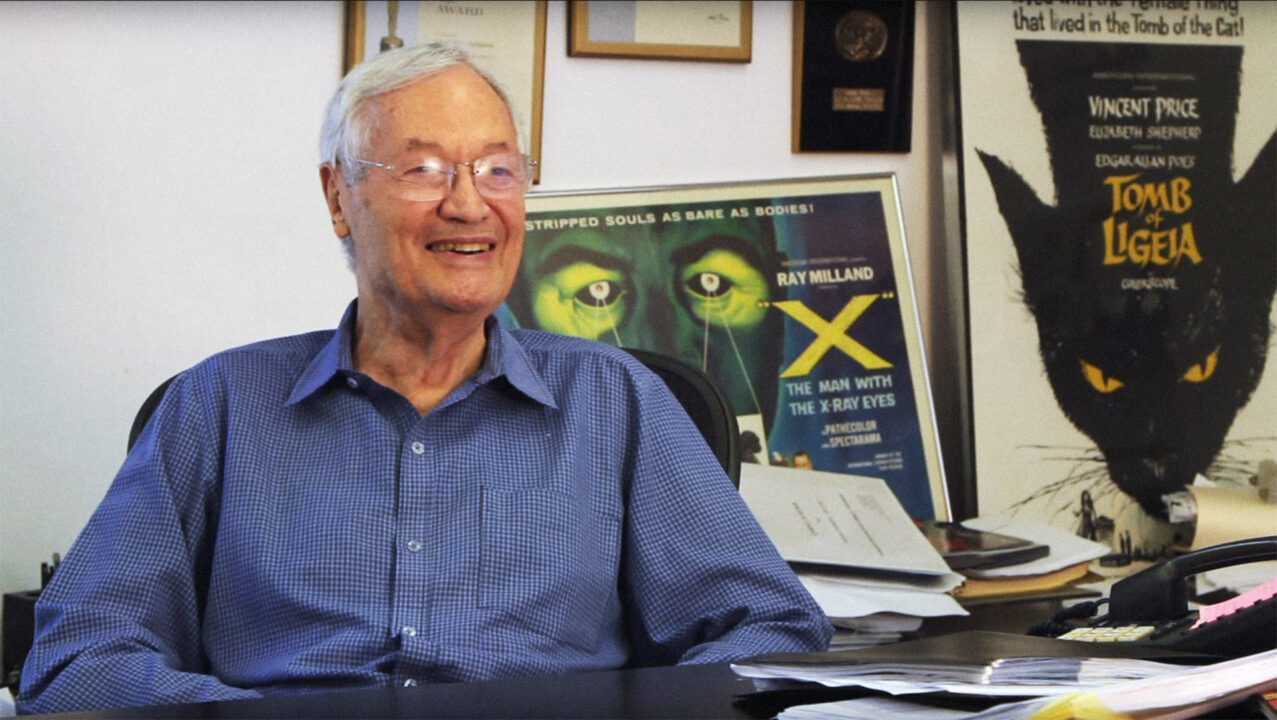
Roger Corman — the undisputed king of low-budget cinema — spent the latter half of the 20th century cranking out quick, campy and gloriously over-the-top B-movies, filled with rubber monsters, car crashes, nudity and blood-splattered drive-in thrills. So, when Corman teamed up with a small production company in 1993 to make a Fantastic Four film, the result was exactly what you’d expect: cheap, rushed and weirdly charming.
But here’s the twist: The movie was finished … and never released. Not in theaters. Not on VHS. Not even dumped on late-night cable. It was buried — on purpose.
Uncork’d Entertainment/courtesy Everett Collection
How it started
Many have affectionately called the 1970s and ’80s “the dark years” for Marvel Comics characters on the big screen, with the only real commercial success being The Incredible Hulk TV show. But by the time the ’90s started to roll around, things were looking up. James Cameron was signed on to make a Spider-Man movie, Wesley Snipes was rumored to be portraying the Black Panther, and Wes Craven was set to be making a Doctor Strange film. And in 1993, it looked like Marvel’s “first family” was going to be getting the silver screen treatment as well.
Uncork’d Entertainment/courtesy Everett Collection
German producer Bernd Eichinger had bought the movie rights to the Fantastic Four from Marvel in the ’80s for pocket change. But there was a catch — if he didn’t make a movie by the end of 1994, he’d lose the rights. So, naturally, he did what any reasonable producer would do: called up Roger Corman and said, “Hey, can you make a superhero movie … in a few weeks … for a million bucks?” Corman agreed, even though a million dollars to produce a film, even back in 1993, is basically impossible.
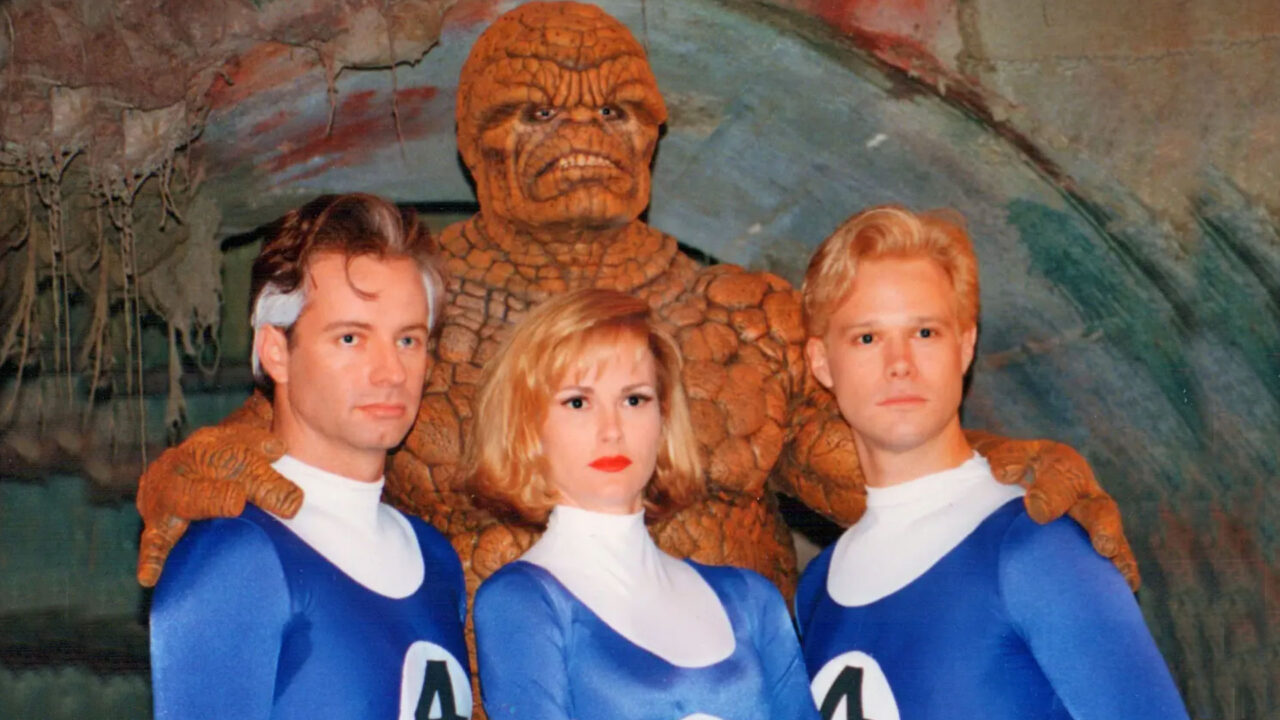
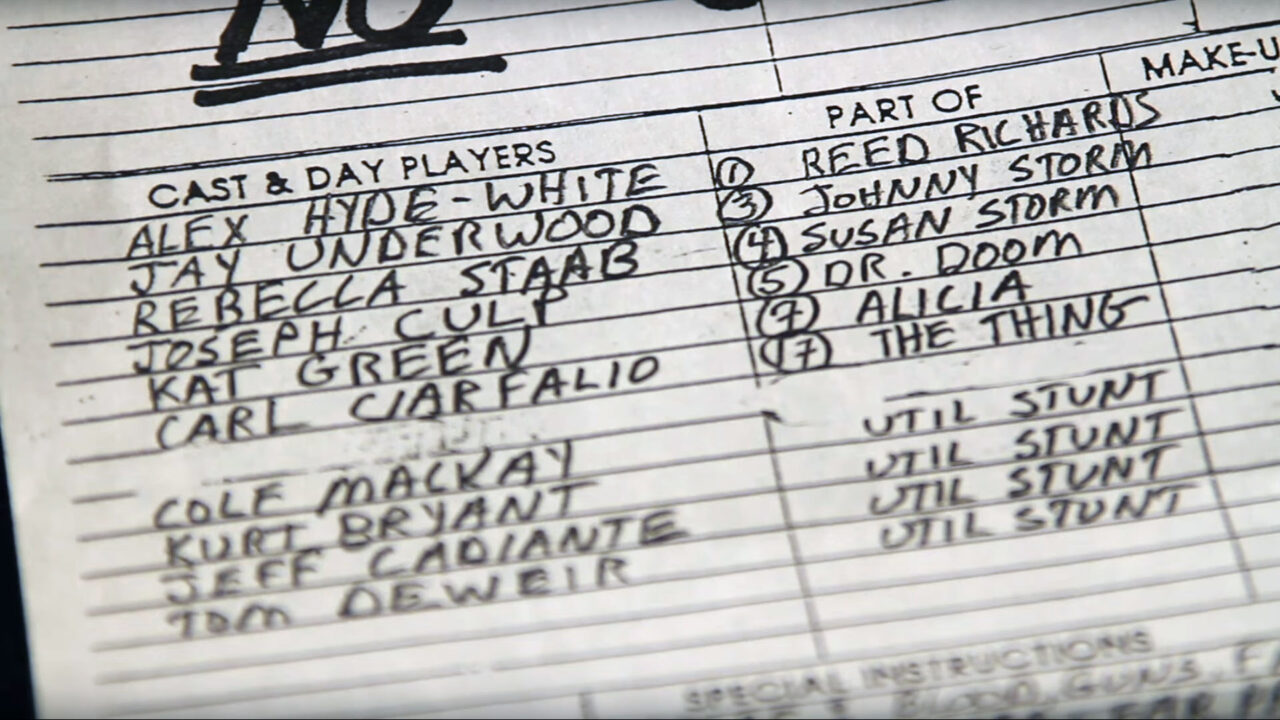
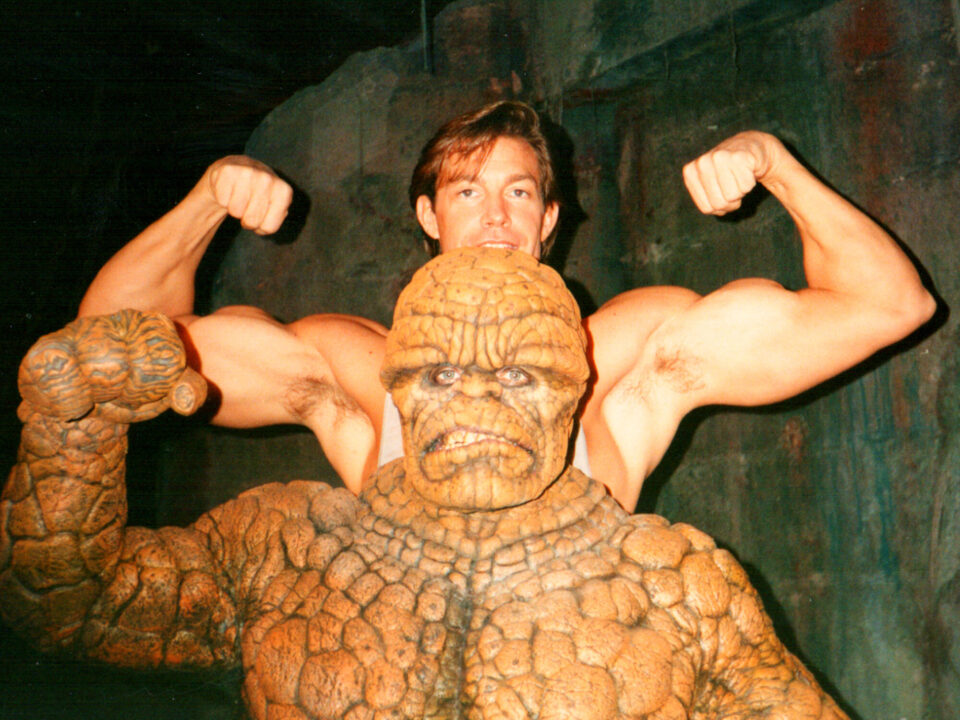
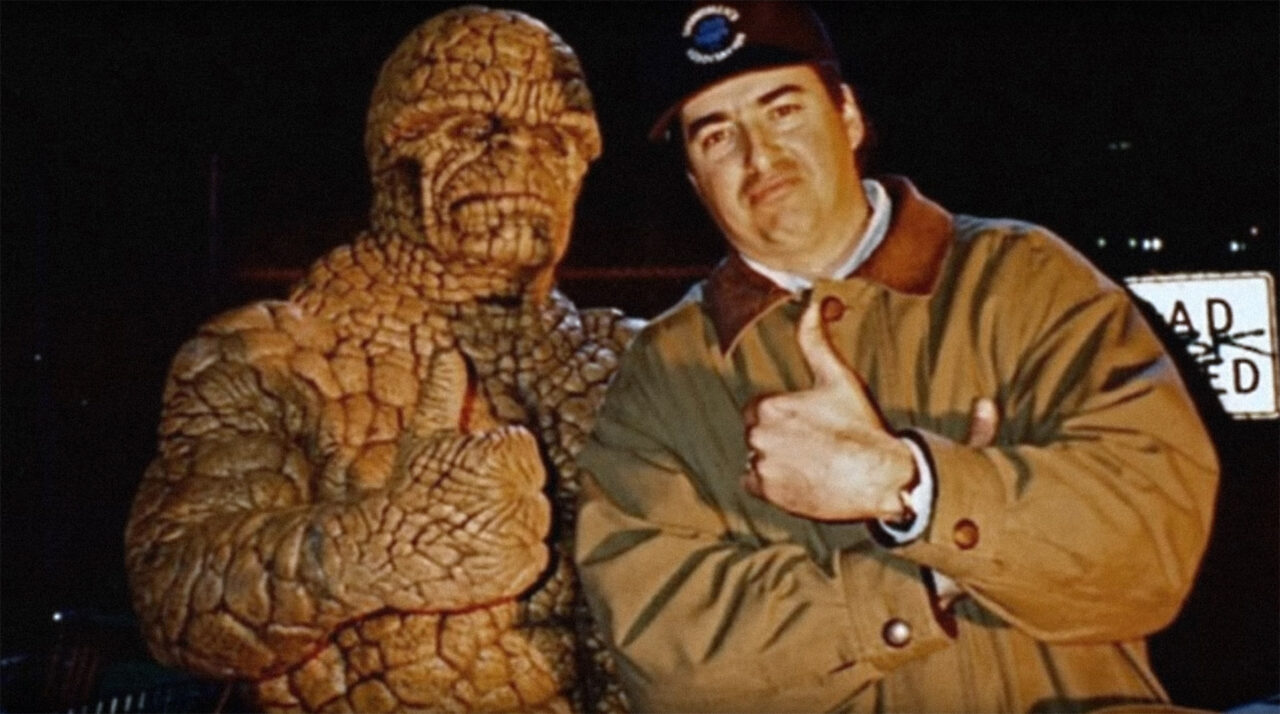
The production moved at lightning speed. Pre-production started in late fall, costumes were rushed, and sets were improvised. A full cast was assembled, including Alex Hyde-White as Reed Richards, Rebecca Staab as Sue Storm, Jay Underwood as Johnny Storm and Michael Bailey Smith (with stuntman Carl Ciarfalio suiting up) as The Thing — whose costume, while cheap, is an incredibly impressive portrayal of this beloved comic character given the circumstances.
© Uncork’d Entertainment / courtesy Everett Collection
On top of that, the special effects were a glorious mix of ingenuity and desperation. Stretchy Mr. Fantastic? A rubber arm stuck out the top of a limo. The Human Torch? Unfinished CGI. Doctor Doom’s costume? Actually not that bad, except for the fact that the actor could barely move or talk. Sadly, the team had no money left over after shooting for post-production work, which includes voice-over work and computer-generated effects. This explains why Doctor Doom sounds so muffled through the whole film. That’s his real voice!

© Uncork’d Entertainment / courtesy Everett Collection
So … what happened?
The cast went all in — emotionally and financially, treating it like the opportunity of a lifetime. They weren’t just showing up to collect a check — in fact, many of them never got a check. Several cast members worked long hours without being paid, trusting that the film’s release would launch their careers. That trust ran so deep, they even put in their own money — covering travel expenses, costumes and promotional materials out of pocket.
They studied the comics, rehearsed tirelessly and did every press interview they could get to generate buzz from comic book shops to cable access. They believed in the project, and they believed they were helping bring Marvel’s bestselling comic characters to the big screen for the very first time.
And then … silence.
© Uncork’d Entertainment / courtesy Everett Collection
The movie wrapped. A trailer was cut. Posters were printed. There was even a premiere date set that the cast and crew excitedly counted down to. But just weeks before release, everything was pulled. The premiere was canceled. The prints disappeared. And nobody could get a straight answer as to why.
The truth slowly emerged: The movie was never intended to be released. It had been produced solely to retain the film rights to the Fantastic Four. Once the contract deadline was met, higher-ups at Marvel — allegedly with the help of a certain cigar-smoking studio executive — quietly bought the film back and shelved it. For the cast and crew who had poured themselves into the project, it was a gut punch. They’d made a movie with everything they had — and no one would ever see it. Or so they thought.
Where is everyone now?
Today, the only way to watch Roger Corman’s Fantastic Four is through bootleg copies floating around online — usually ripped from old VHS tapes that spread around comic conventions in the ’90s like an urban legend. Despite its underground status, the cast has voiced support for an official release, hoping that if the original footage were made available, fans or studios could finally add proper visual effects and give the film the glow-up it never got originally.
As for the cast? Their big Hollywood breakout never happened, but many went on to have steady careers. Alex Hyde-White has continued acting and voice work. Rebecca Staab appeared in dozens of TV shows, from Glee to The Wonder Years. Jay Underwood took on roles in lower-budget films and later became a pastor. And Carl Ciarfalio, who wore the full-body Thing suit, continued on as a prolific stuntman in major blockbusters.
© Uncork’d Entertainment / courtesy Everett Collection
Roger Corman, of course, kept making movies well into the 2000s and died a legend of independent cinema.
In the end, the failed attempt at bringing the Fantastic Four to life in 1994 became a strange symbol — not of failure, but of creative passion crushed by corporate decision making. It may have been shelved, but thanks to fans and internet culture, it’s more alive now than it was ever intended to be.
If your’e interested in a deeper dive into this story check out the full length documentary below!